Rustic vs Urban Property in Spain: What UK Buyers Need to Know
- marketing@pccwealth.com
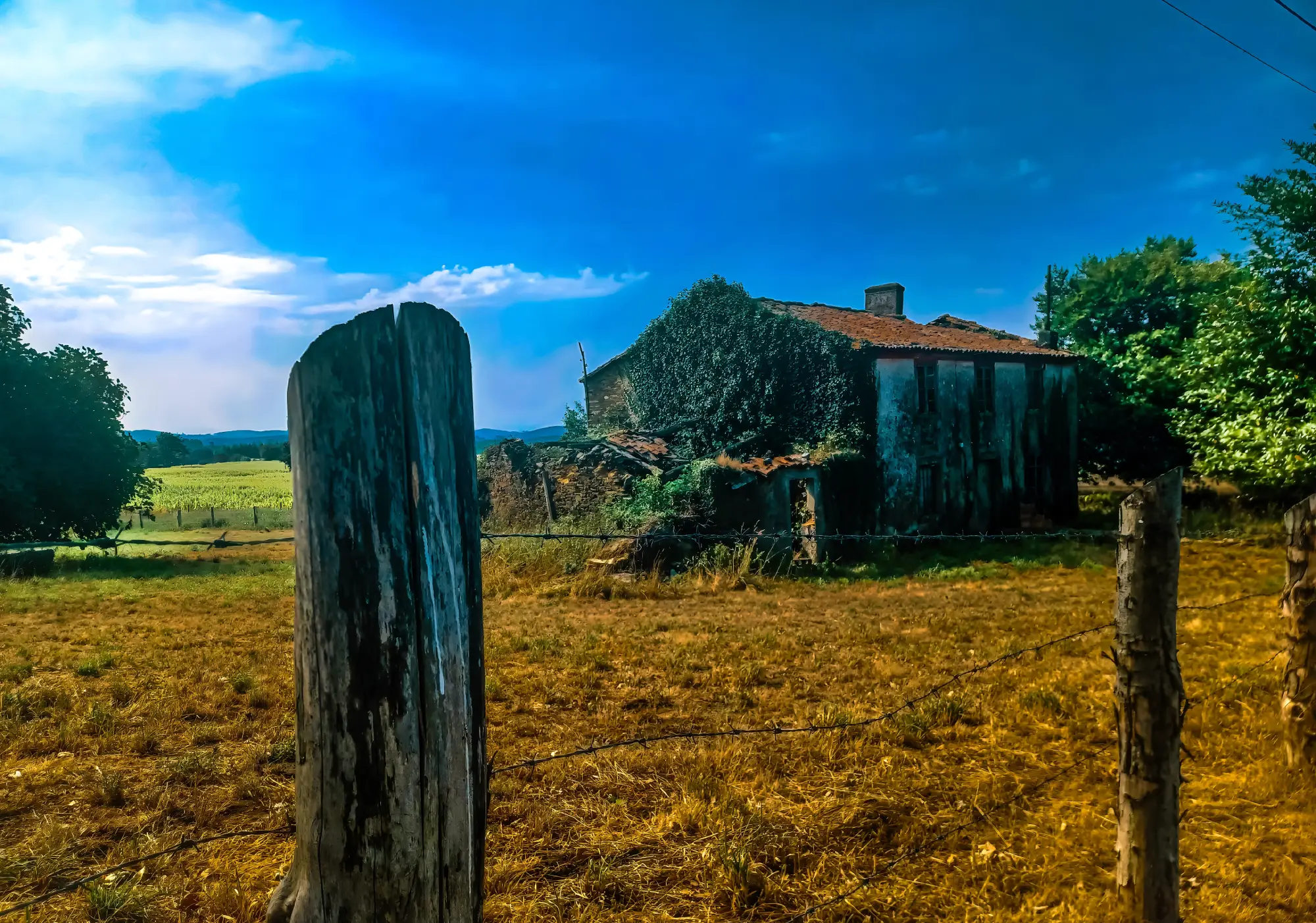
If you’re considering buying property in Spain, one of the first things you’ll encounter is the classification of homes as either rustic (rústico) or urban (urbano). These terms aren’t just bureaucratic jargon, they have big implications for what you can do with the property and how you buy it.
For many UK buyers, these terms can be confusing. They may sound like simple location descriptions, yet they carry significant legal, financial and practical consequences. From what you’re allowed to build, to the utilities available, to how straightforward the purchase process will be, the rustic–urban classification directly affects your rights and obligations as a property owner in Spain.
Because Spain’s planning laws differ considerably from those in the UK, overlooking this distinction is a common mistake by foreign buyers and it can also be costly. That’s why working with experienced conveyancing specialists is essential. PCC Legal, trusted Costa del Sol property lawyers, guide buyers through these complexities every day, ensuring that the property you fall in love with is legally sound, compliant and suitable for your intended use.
Table of Contents
What You Will Learn in This Article
- The basic definitions of rustic and urban property in Spain.
- How each classification affects buying, ownership and development potential.
- Key legal and planning implications for UK buyers.
- How knowing the difference between rustic and urban, protects your investment.
- How PCC Legal’s property law experts guide you through these nuances to avoid costly mistakes.
What Is Rustic Property?
Under Spanish property law, rustic property typically refers to land or buildings located outside developed urban zones. Think of country houses, farms, plots in rural areas or natural land. The important features of rustic property are:
- Usually designated for agriculture or conservation, not for urban development.
- Limited or no access to urban infrastructure like water, sewage, pavements or roads.
- Strict planning controls—converting rustic land to urban use or building new homes can be challenging and often requires special permits.
Buying rustic land can be excellent for investment, farming or owning countryside retreats but requires thorough legal checks to confirm permitted uses and rights.
What Is Urban Property?
Urban property is land or buildings in officially planned residential, commercial or mixed-use areas. These include:
- Apartments, villas, townhouses within towns or coastal developments.
- Access to utilities such as water, electricity, sewage and roads.
- Easier possibilities for renovations, extensions, or new construction, subject to local town planning.
Urban properties are typically ready for occupation or rental and come with straightforward ownership and municipal responsibilities.
Why Does the Difference Matter?
The property classification affects your buying process and what you can do post-purchase:
- Financing: Banks often prefer lending against urban properties due to better legal clarity.
- Taxes: Rustic property may have different tax rates and regulations.
- Planning: Urban properties offer more flexibility to renovate or develop.
- Due Diligence: Legal risks and checks vary; unpermitted rural developments can lead to fines or forced removal.
PCC Legal ensures buyers understand these distinctions, conducting comprehensive searches to confirm classification, boundaries and applicable regulations before you commit.
Frequently Asked Questions (FAQ)
Can I convert rustic land into urban?
It’s possible but complicated, requiring formal planning permission from local councils, which is not guaranteed. It is necessary to take legal advice from an experienced property lawyer.
Are rustic properties cheaper?
They often are, reflecting the limited infrastructure and development restrictions, but costs can rise if you plan to develop the land.
Do rustic properties come with more legal risk?
Potentially yes, especially regarding planning and building permits. Getting advice from a professional real estate lawyer is crucial to avoid surprises.
Can I get a mortgage on rustic property?
Many lenders view rustic properties as higher risk; financing may be more restrictive than for urban properties.
Buying in Spain requires understanding these important classifications. PCC Legal’s Costa del Sol conveyancing specialists provide expert guidance every step of the process, helping UK buyers to confidently navigate the legal landscape, avoid pitfalls and secure their ideal property.
Contact PCC Legal’s real estate lawyers today, to learn more or to arrange your personalised consultation.
At PCC Legal, we strive to exceed your expectations.
Our core values are reflected in our dedication to Excellence, Transparency, Service, and Efficiency.
Ready to learn more about who we are or need our assistance? Get in touch with us today.
Excellence
Service
Transparency
Efficiency