This is where most people get it wrong
Most articles on the Beckham Law explain what it is but many don’t answer the crucial question:
Do you actually qualify?
This is where the confusion starts. Eligibility is not based on intention, and it is not something you opt into casually. It is determined by whether your move to Spain fits within a specific legal framework.
The criteria are set out in legislation, but how they apply is not always straightforward. In many cases, individuals assume they qualify when they do not. And small differences in how that move is structured can change the outcome entirely.
The Legal Framework behind the Beckham Law
The regime is set out under Spanish Personal Income Tax Law Article 93. It allows certain individuals who become Spanish tax resident to elect to be taxed under a special regime, provided they meet defined conditions.
At a high level, to qualify for the Beckham Law Spain tax regime in 2026:
- You must become a Spanish tax resident
- You must not have been a Spanish tax resident in the previous five tax years
- Your move to Spain must be linked to a qualifying professional activity
- You must apply within the required deadline
Each condition appears relatively straightforward on paper, yet in practice, this is where most of the detail sits.
Step 1: You Must Become a Spanish Tax Resident
Despite the way it is often described, the regime does not apply to non-residents. It applies to individuals who become tax resident in Spain, and then elect to be taxed under special rules. According to Agencia Tributaria, an individual is generally considered tax resident if:
- They spend more than 183 days in Spain in a calendar year, or
- Their main centre of economic or personal interests is in Spain
This is the starting point. The regime operates alongside these residency rules rather than replacing them.
One of the most common misunderstandings online is the assumption that using the Beckham Law somehow means remaining non-resident. It does not.
Step 2: The 5-Year Non-Residency Requirement
To qualify, you must not have been tax resident in Spain during the five tax years prior to your move.
This is a strict requirement. Where things become more complicated is in situations involving:
- Individuals who have previously lived in Spain without formalising residency
- People who divide time between countries
- Those returning after a period abroad
This is one of the first areas that needs to be checked properly. We often see situations where someone assumes they were not resident, only for historical patterns of time spent in Spain to suggest otherwise.
Step 3: Your Move Must Be Linked to a Qualifying Activity
This is usually the most important part of the test — and the area where most misunderstandings arise. The law requires that the move to Spain occurs as a result of a qualifying professional situation.
The most common routes include:
- Employment with a Spanish company
You relocate to Spain to work under an employment contract. - Assignment from a foreign employer
You are sent to Spain by an existing employer, typically supported by a formal relocation structure. - Remote work (in specific circumstances)
The law now recognises certain remote work structures, including some individuals working entirely through digital systems and certain holders of the Spain Digital Nomad Visa. However, these cases remain highly dependent on structure. - Company directors
Individuals who move to Spain to act as administrators of a company may qualify, subject to conditions. - Entrepreneurs and highly qualified professionals
Recent updates have expanded eligibility to include certain entrepreneurial activities and innovation-related roles.
Where the qualification process often breaks down
A common assumption is: “I work for myself, so I will qualify.” In many cases, that is not correct. The Beckham Law regime generally excludes income that would be considered generated through a permanent establishment in Spain, unless the individual falls within one of the specific exceptions.
We often see two individuals with very similar roles end up in completely different positions purely because of how their income and activity are structured.
Step 4: You Must Apply Within the Deadline
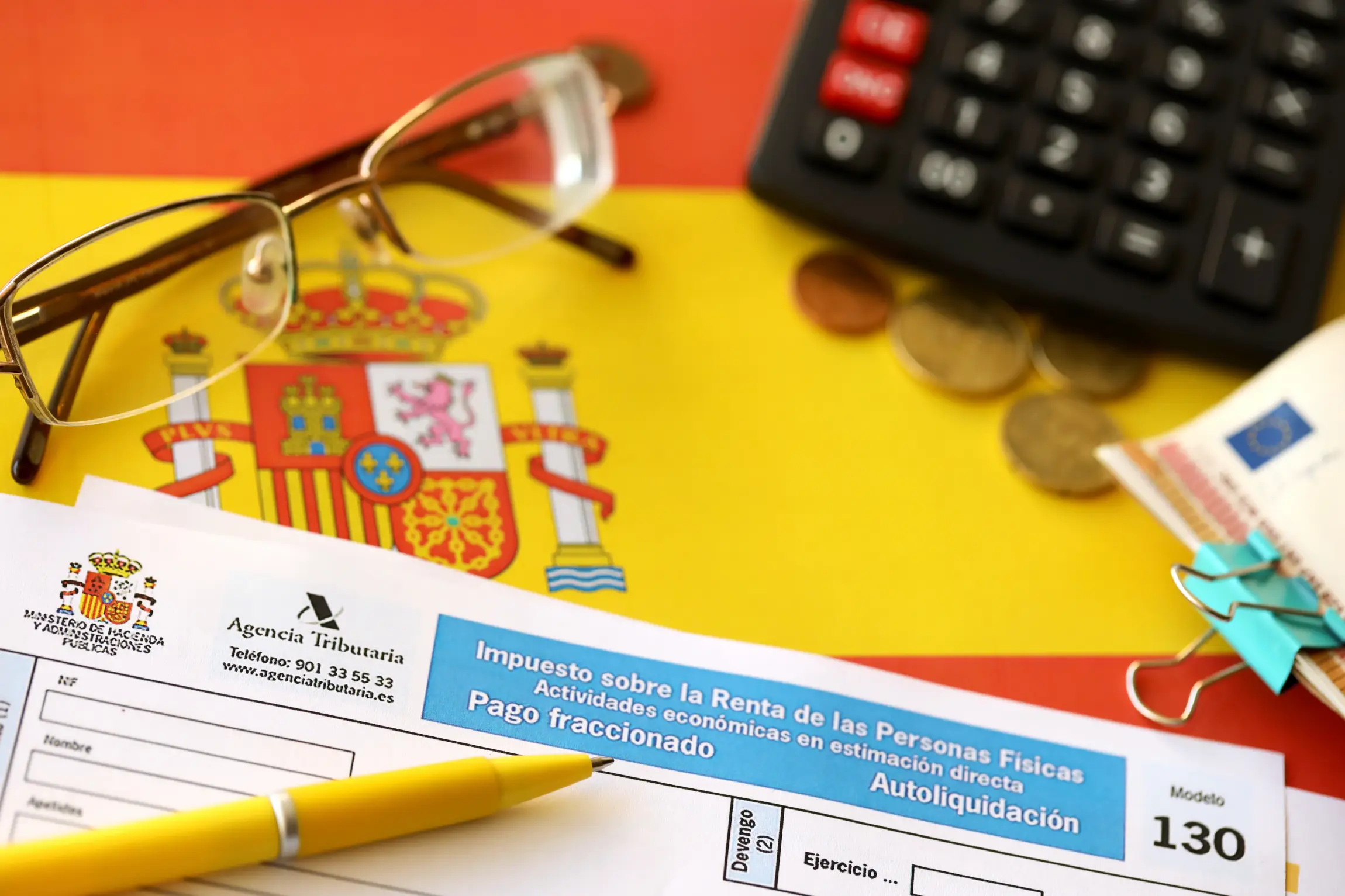
Even if all conditions are met, the regime is not automatic. It must be applied for using Modelo 149.
The application deadline is:
- Six months from the date of registration with Spanish Social Security
- Or the equivalent start of activity where Social Security registration is not required
This is a hard deadline.
This is one of the most common reasons people miss out on the regime — not because they were ineligible, but because the timing was misunderstood or left too late.
What Happens After You’re Accepted
Once approved, you are taxed under the special regime and must file annually using Modelo 151, rather than the standard Spanish income tax return.
This is a small detail, but it reflects an important point: The Beckham Law is not simply about qualification, it changes how your ongoing tax reporting is handled.
Edge Cases That Require Careful Assessment
Some situations do not fit neatly into a clear yes or no answer. These include:
- Individuals returning to Spain after partial years abroad
- Remote workers paid from multiple jurisdictions
- Directors receiving a mix of salary and dividends
- Individuals transitioning from self-employment into a structured role
These scenarios are not always clearly defined on the surface and often require detailed review. This is typically where eligibility is determined — not by the headline rules, but by the structure underneath them.
Most individuals fall into one of three categories:
-
More likely to qualify:
- Employed individuals relocating to Spain
- Senior professionals assigned by international companies
- Remote workers with a structured employment setup
-
Case-dependent:
- Individuals invoicing through their own company
- Directors with mixed income streams
- Entrepreneurs in early-stage businesses
-
Less likely to qualify:
- Moving to Spain without a defined work structure
- Pure freelancers without a qualifying framework
- Individuals recently tax resident in Spain
These are not fixed categories, but they reflect how the rules tend to apply in practice.
The Question That Actually Matters
The more useful question is not whether you can use the Beckham Law, but whether the way you are moving to Spain actually aligns with the rules.
Eligibility is shaped by several connected factors, including your residency position, how your income is structured, the nature of your professional activity, and the timing of your move. In many cases, the difference between qualifying and not qualifying is decided before the move even takes place.
One of the most common patterns we see is that people assume their position is clearer than it really is. Some people are convinced they qualify, while others assume they won’t. In reality, most fall somewhere in the middle.
That middle ground is often where opportunities can still be created through proper planning, but it is also where mistakes are most likely to happen. Once Spanish residency has already been established, the flexibility to adjust the structure is usually far more limited.
Final Thought
The Beckham Law is often spoken about as though it is straightforward, but in reality, the outcome depends heavily on how the move to Spain is structured from the beginning. For some individuals, the regime can offer clear advantages. For others, issues only start to appear once they have already moved and realise their setup does not fully align with the rules.
In many cases, the important decisions are made earlier than people expect. Reviewing eligibility before the move usually provides far more flexibility than trying to restructure things afterwards.
Considering a Move to Spain?
If you are planning a move, or already in the process, this is typically the point where the right structure can still be put in place.
FAQs
What is the Beckham Law in Spain?
The Beckham Law is Spain’s special expat tax regime under Article 93 of the Personal Income Tax Law. It allows qualifying individuals moving to Spain to be taxed under the Non-Resident Income Tax rules for a limited period instead of the ordinary Spanish resident tax system.
Who qualifies for the Beckham Law Spain regime?
Eligibility depends on how the move to Spain is structured. Qualifying cases may include employees relocating to Spain, certain remote workers, entrepreneurs and some directors or highly qualified professionals. The individual must also generally not have been tax resident in Spain during the previous five tax years.
Does the Beckham Law mean you are not tax resident in Spain?
No. Individuals using the Beckham Law are generally still considered Spanish tax residents. The difference is that they are taxed under a special regime based on the Non-Resident Income Tax rules.
Does the Beckham Law exempt foreign assets from Spanish wealth tax?
While the Beckham Law regime applies, individuals are generally subject to Spanish wealth tax by “real obligation”, meaning exposure is usually limited to Spanish-based assets rather than worldwide assets. However, international tax planning is rarely absolute and individual circumstances still matter.