This is where everything starts
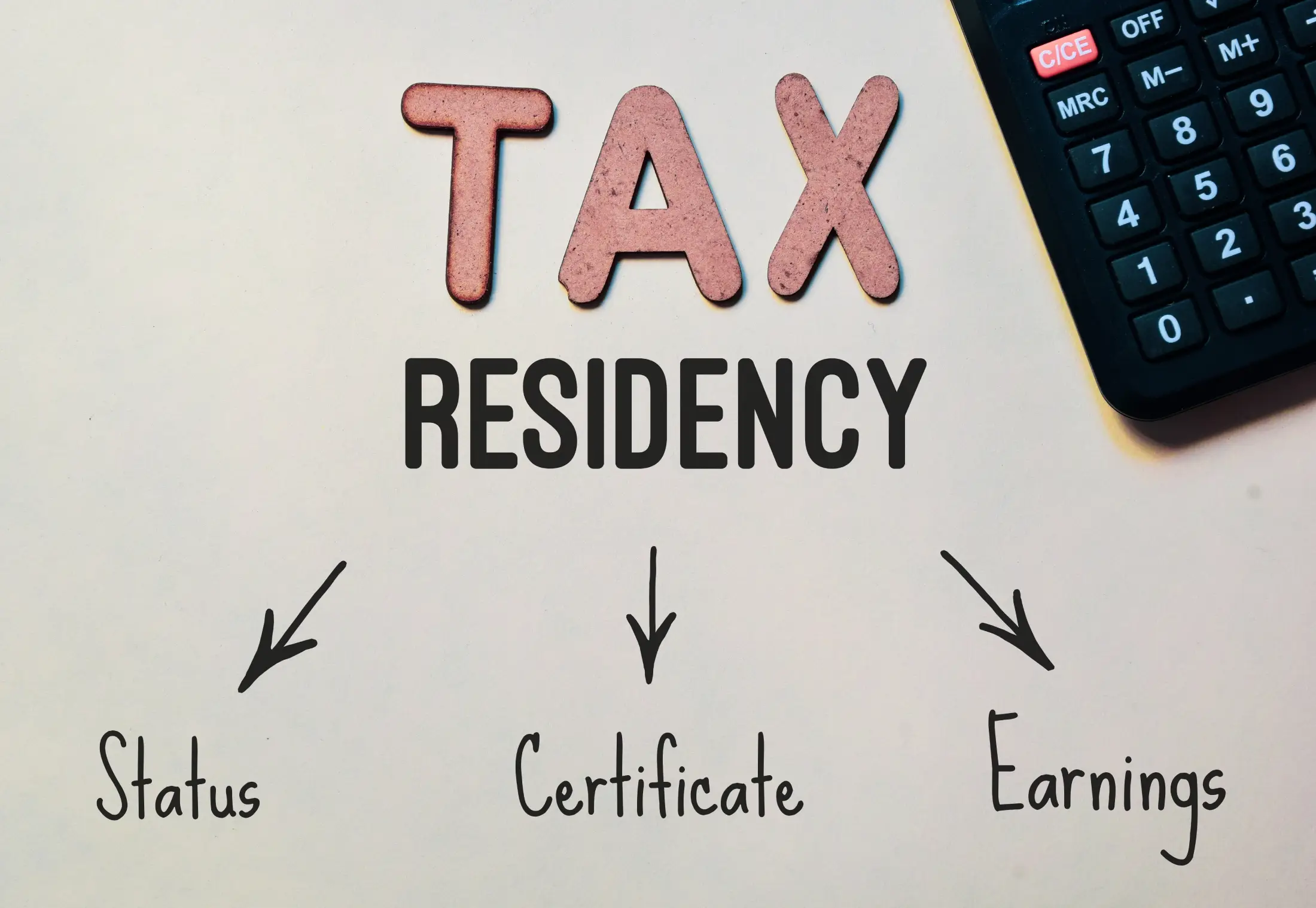
When moving from the UK to Spain, most tax questions eventually come back to one thing – where you are tax resident. Once tax residency is established, everything else follows. It affects:
- What income is taxable
- Where the income is taxed
- What needs to be reported
- Under which country you will be taxed
UK to Spain tax residency refers to how both countries determine where you are legally treated as resident for tax purposes. The difficulty is that the UK and Spain approach residency differently and they don’t always align. That is why understanding your residency position before you move to Spain is essential.
How Spain determines tax residency
Spain does not look only at where you say you live. It looks at the facts of your situation. In general, you may be considered tax resident in Spain if either of the following applies:
- You spend more than 183 days in Spain during a calendar year
- Your main economic or personal interests are based in Spain
These two tests are important because you do not necessarily need to meet both. In some cases, spending enough time in Spain is sufficient. In others, your wider personal, family, or financial circumstances may point to Spain even if your day count is lower.
The 183-day rule in Spain
The 183-day rule is the best-known test for Spanish tax residency. If you spend more than 183 days in Spain during a calendar year, you will usually be treated as tax resident in Spain. However, this is not always as simple as counting the days you were physically present. Spain may also look at short or sporadic absences, whether you can clearly prove tax residency in another country, and the wider facts of your personal and financial life.
This means that someone who spends significant time in Spain should not assume they are outside the Spanish tax system simply because they have not “officially” moved.
Centre of economic or personal interests
The second test looks at where your life is actually centred. Even if you spend fewer than 183 days in Spain, you may still be treated as tax resident there if your main personal or economic interests are based in Spain.
This could apply where your main business activity is in Spain, your primary source of income is linked to Spain, your immediate family lives there, or your personal and financial life is mainly organised around Spain. This point is often underestimated. In practice, many people focus on counting days while overlooking the bigger question: Where is your life actually based?
How the UK Determines Tax Residency
Your UK tax position is determined under rules set by HM Revenue & Customs, primarily through the Statutory Residence Test, that considers factors such as:
- Days spent in the UK
- Ties to the UK, including property, family, and work
- Previous residency history
These factors help determine whether you remain UK tax resident after moving abroad. This matters because moving to Spain does not automatically end your UK tax residency. Depending on your circumstances, you may be non-resident in the UK, resident in Spain, or, in some cases, treated as resident under both systems.
This is one of the most common areas of confusion. We often see individuals assume that leaving the UK is enough to end their UK tax position. In reality, the outcome depends on how the Statutory Residence Test applies to their specific situation.
When both countries consider you resident
It is entirely possible to meet the tax residency criteria in both the UK and Spain during the same period. This can happen because each country applies its own domestic rules. The UK may still treat you as resident under the Statutory Residence Test, while Spain may consider you resident under its 183-day rule or because your personal and economic interests are centred there.
This does not mean you will automatically be taxed twice on everything. Where both countries treat you as tax resident, the position is usually resolved under the UK-Spain Double Taxation Agreement.
Tie-breaker rules
The treaty applies a sequence of tests to determine which country you are treated as resident for treaty purposes. These tests will look at:
- Permanent home
- Centre of vital interests
- Habitual residence
- Nationality
These rules are not optional. They apply where both countries assert tax residency and are used to determine which country has priority under the treaty.
Practical application
On paper, the treaty provides a way to resolve dual residency. However, the answer often depends on a detailed review of where your life is genuinely centred. That means looking beyond formal addresses and day counts to the wider facts of your home, family, work, income and personal connections. This is not always clear-cut. In many cases, by the time the issue is reviewed, the relevant tax position has already been created.
The first year of moving: Where problems start
The year you move from the UK to Spain is often the most complex. This is because the two countries may treat the same year differently. The UK may apply split-year treatment, while Spain may treat you as resident for the full calendar year.
That difference can create a structural mismatch. For example, if you move to Spain in July, the UK may treat you as resident for only part of the year. Spain, however, may treat you as resident for the entire calendar year if the Spanish residency conditions are met.
This can lead to overlapping reporting obligations, uncertainty over where income should be taxed, and timing differences that affect the final outcome.
It is in this first year that the most common residency mistakes usually arise. People often assume that tax residency is a choice, when in fact it is determined by facts rather than preference. Others focus only on day counting, without considering family, property, work, income, or personal connections. UK ties are also often underestimated, especially where someone keeps a home, continues working with UK clients, or has close family connections there.
Timing can also be critical. A difference of only a few weeks can materially change the outcome, especially in the year of relocation. The key issue is that by the time these points are identified after the move, the position may already be established and difficult to reverse. This is one of the most common areas where unexpected tax exposure arises.
A more realistic view
Residency is not just about where you live, it is where your life is considered to be based. For individuals moving from the UK to Spain, this means dealing with two systems that apply different rules, interact in ways that are not always obvious, and produce outcomes based on detail rather than intention. That is why the residency position should be reviewed before the move where possible, not after the consequences have already taken effect.
Why the move date matters
Tax residency is easiest to deal with before the move, while there is still time to plan around the relevant dates, ties, and reporting obligations. Once the move has happened, the position is usually based on facts that already exist: where you spent your time, where your family was based, where your income came from, and what UK ties remained.
For anyone moving from the UK to Spain, the important point is not simply to ask where tax is due after the move. It is to understand how the move itself will be viewed by both tax systems.
Considering a move from the UK to Spain?
If you are planning a move, understanding how UK to Spain tax residency will apply is one of the most important steps. Not just for compliance, but for what it allows you to do, or prevents you from doing, afterwards.
FAQs
Does leaving the UK automatically end UK tax residency?
No. Leaving the UK does not automatically mean you become non-resident in the UK.
Your UK tax residency position depends on how the Statutory Residence Test applies to your specific circumstances. You may still be UK tax resident if you spend time in the UK or keep significant UK ties.
What is UK to Spain tax residency?
UK to Spain tax residency refers to how the UK and Spain decide where you are treated as resident for tax purposes when you move between the two countries. This matters because your tax residency position affects where your income is taxed, what you need to report, and which country’s tax rules apply to your circumstances.
When do you become tax resident in Spain?
You may become tax resident in Spain if you spend more than 183 days in Spain during a calendar year. You may also be treated as Spanish tax resident if your main personal or economic interests are based in Spain. This means Spain may look not only at the number of days you spend there, but also at where your family, income, business activity, and wider life are centred.
Can you be tax resident in both the UK and Spain?
Yes. It is possible to meet the tax residency rules in both the UK and Spain during the same period. This can happen because each country applies its own domestic rules. Where both countries treat you as tax resident, the position is usually considered under the UK-Spain Double Taxation Agreement.